Harmony & Discord : Navigating Creep and Vibration in Electrical Systems
These mechanical phenomena can lead to structural fatigue, loosening of connections, and even catastrophic failures if not properly managed.
Brandon Louw Pr.Eng (Electrical)
Introduction
In the intricate world of electrical engineering, the seamless operation of systems is often taken for granted. However, beneath the surface, two subtle yet significant factors—creep and vibration—play a critical role in the reliability and longevity of electrical systems. In this exploration, we unravel the dynamics of creep and vibration, understanding their impact, the challenges they pose, and the strategies employed by engineers to strike a harmonious balance in the realm of electrical systems.
Understanding Creep
Creep, in the context of electrical systems, refers to the slow, time-dependent deformation of materials under sustained mechanical stress. This phenomenon is particularly relevant in high-temperature environments where materials may experience prolonged exposure to mechanical loads. Over time, this sustained stress can cause materials, such as insulating elements or structural components, to deform and lead to potential issues within the electrical system.
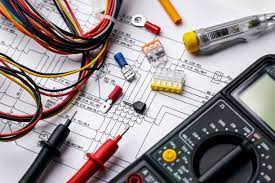
The Impact of Creep on Electrical Systems
The consequences of creep in electrical systems can manifest in various ways, posing challenges to reliability and safety:
Insulation Deformation: Creep can cause insulating materials to deform, leading to changes in the clearances and dimensions critical for maintaining electrical insulation. This deformation may result in reduced dielectric strength, increased heat generation, and ultimately compromise the overall performance of the electrical system.
Mechanical Connections: Creep in mechanical connections, such as bolts and joints, can lead to loosening over time. This poses a risk of increased electrical resistance and, in extreme cases, can lead to electrical arcing, equipment damage, or even catastrophic failure.
Structural Integrity: In power infrastructure, creep-induced deformation in structural components can affect the overall stability and reliability of the system. This is particularly crucial in environments where the equipment is subjected to both mechanical stress and elevated temperatures.
Methodologies for SIL Assessment
Evaluating the SIL of a safety instrumented system requires a comprehensive analysis employing various methodologies. These methodologies are designed to scrutinize the probability of failure, diagnostic capability, and consequences of failure. Common methods for SIL assessment include:
- Risk Graphs: Graphical representations correlating the probability of failure and consequences of failure. Risk graphs aid in determining the appropriate SIL level for a given system.
- Layer of Protection Analysis (LOPA): A semi-quantitative analysis assessing the effectiveness of independent protection layers in reducing risk. LOPA is often used in conjunction with other methods to assign SIL levels.
- Fault Tree Analysis (FTA): A deductive analysis method modeling relationships between events leading to a hazardous event. FTA identifies critical failure paths and assesses their impact on system safety.
- Failure Modes and Effects Analysis (FMEA): A systematic method for evaluating potential failure modes and their consequences. FMEA prioritizes failure modes based on their criticality.
Real-world Applications of SIL
The principles of SIL find practical applications across diverse industries, especially those where the consequences of system failure can be catastrophic. Consider the context of a petrochemical plant where the handling and processing of hazardous materials are inherent to operations. SIL becomes instrumental in designing and implementing safety systems to prevent or mitigate the impact of potential incidents.
For instance, in a safety shutdown system within a chemical plant, SIL assessment would involve analyzing the failure probabilities of components like sensors, logic solvers, and final elements such as valves. The goal is to ensure that the cumulative risk reduction achieved meets the required target for the specific SIL level. Through this approach, engineers can design safety systems that instill confidence in preventing or mitigating hazardous events.
Challenges and Considerations
Implementing SIL comes with its share of challenges and considerations. One crucial aspect is the delicate balance between the cost of achieving higher SIL levels and the actual risk reduction accomplished. Striking this balance is essential, especially in industries where resource allocation must align with both safety imperatives and economic considerations.
Furthermore, ensuring the ongoing integrity and performance of safety systems demands vigilant maintenance, periodic testing, and compliance with evolving standards. Regular updates to SIL assessments may be necessary as systems age, technologies advance, and industry standards evolve.
In Conclusion
In the intricate tapestry of industrial safety, SIL emerges as a guiding star, illuminating the path toward enhanced reliability and risk reduction. By providing a standardized methodology for assessing and improving safety instrumented systems, SIL plays a pivotal role in fostering a safety-centric culture within industries.
As industries continue to evolve, the pursuit of safety excellence remains a constant. SIL, with its systematic and quantifiable approach, offers a robust framework for navigating the complexities of modern industrial processes. In the ongoing narrative of industrial safety, SIL stands as a testament to the commitment of engineers and organizations towards creating environments where safety is not just a priority but an integral part of the operational DNA.
Contact Us
Address
Unit 30, Sildale Park, 150 Conveyer Rd, Silvertondale, Silverton, 0181
Phone
+27 (0)12 012 6173
Follow Us









Brandon and his team are professional, responsive, and genuinely care about meeting our needs. Communication is clear and timely, and they go above and beyond to make sure everything is handled smoothly.
Highly recommend 💯