
Commercial Electrical Infrastructure Planning: Costly Mistakes Developers Must Avoid
Why Commercial Electrical Infrastructure Planning Matters More Than Ever
In modern developments, electrical infrastructure is no longer a background service, it is a core operational asset. From shopping centres and mixed-use developments to industrial facilities and off-grid projects, poor electrical planning can undermine safety, reliability, and profitability for decades.
Effective Commercial Electrical Infrastructure Planning ensures that power systems are compliant, scalable, energy-efficient, and resilient. Yet many developments still suffer from short-term thinking, fragmented design approaches, and contractor-driven decisions that ignore long-term operational realities.
For professional electrical engineers, developers, and asset owners, understanding where projects go wrong is the first step toward avoiding costly mistakes.
Designing for Today Instead of the Next 20 Years
One of the most common failures in commercial projects is designing electrical systems purely around current needs. Tenant requirements change, energy costs rise, and technologies such as solar, battery storage, and EV charging become essential rather than optional.
Electrical infrastructure should be designed with future load growth, plant expansion, and regulatory changes in mind. Retrofitting capacity later is far more expensive and disruptive than planning correctly from the outset.
Treating Solar, Backup Power, and Grid Supply as Separate Systems
A fragmented approach to power is another major risk. Grid supply, solar generation, backup generators, and battery systems are often designed independently, leading to inefficiencies, protection conflicts, and operational confusion.
Professional Commercial Electrical Infrastructure Planning integrates all power sources into a single, coherent system. This approach improves resilience, optimises energy usage, and ensures seamless transitions during outages or peak demand periods.
Underestimating Peak Demand and Power Quality
Shopping centres and commercial developments experience highly variable electrical loads. Escalators, HVAC systems, refrigeration, and tenant equipment can cause sudden demand spikes and power quality issues.
If peak demand and harmonics are not properly analysed, infrastructure may appear adequate on paper but fail under real operating conditions. This results in nuisance tripping, premature equipment failure, and dissatisfied tenants.
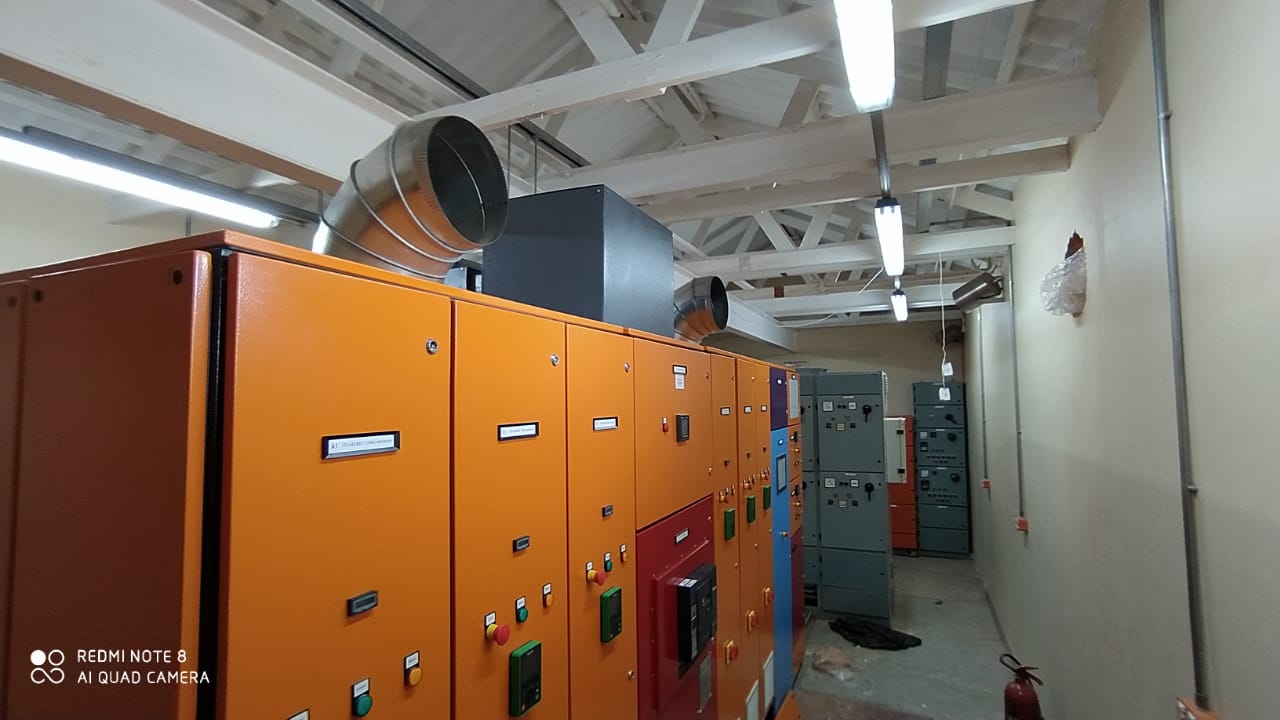
Ignoring Energy Resilience and Load Prioritisation
Load shedding, grid instability, and regional power constraints have made resilience a top priority. Yet many developments still lack clear load prioritisation strategies.
Critical systems such as fire protection, security, data networks, and essential retail services must be supported during outages. Without proper planning, backup systems may be overloaded or ineffective when they are needed most.
Poor Coordination Between Electrical and Civil Design
Electrical infrastructure depends heavily on early coordination with civil and structural teams. Cable routes, transformer locations, plant rooms, and future expansion space must be planned before construction begins.
When this coordination is missing, projects face expensive redesigns, compromised safety clearances, and limited upgrade potential.
Choosing Contractors Based on Price Alone
Lowest-cost tendering often shifts risk onto the client. Contractors focused purely on price may cut corners on protection devices, documentation, or workmanship, issues that only surface after handover.
Electrical infrastructure should be delivered by experienced professionals who understand lifecycle costs, compliance obligations, and operational risk.
Non-Compliant or Incomplete Documentation
Incomplete as-built drawings, missing certificates, and unclear operating manuals create long-term problems for facility managers and owners. Compliance failures can delay occupancy certificates, invalidate insurance, and complicate future upgrades.
Professional electrical engineers ensure that documentation is accurate, complete, and aligned with regulatory requirements.
Failing to Plan for EV Charging Infrastructure
EV charging is rapidly becoming a standard requirement for commercial developments. Retrofitting chargers without proper capacity planning can overload existing infrastructure and require costly upgrades.
Electrical planning should consider load management, future charger density, and integration with solar and battery systems from day one.
Overlooking Maintenance Access and Operational Safety
Electrical rooms and plant areas must be designed for safe access, maintenance clearance, and regulatory compliance. Poor layouts increase the risk of accidents and make routine maintenance difficult or unsafe.
Operational safety is not optional, it is a legal and ethical responsibility.
Not Monitoring and Measuring Energy Performance
Without proper metering and monitoring, energy performance cannot be optimised. Sub-metering allows owners to identify inefficiencies, allocate costs accurately, and improve sustainability outcomes.
Data-driven energy management starts with proper infrastructure planning.
Engaging Electrical Engineers Too Late
When electrical engineers are brought in after architectural and commercial decisions are locked in, opportunities for value engineering are lost. Late-stage involvement often leads to compromises rather than optimal solutions.
Early engagement allows engineers to align technical design with commercial objectives, ensuring cost certainty and long-term reliability.
FAQ’s
Q1: When should electrical engineers be involved in a development project?
Ideally at concept stage, before layouts and capacities are fixed.
Q2: How far ahead should electrical capacity be planned?
At least 15–20 years, considering technology and load growth.
Q3: Can existing infrastructure support solar and EV charging?
Only a detailed electrical assessment can confirm this.
Q4: Why is power quality important in shopping centres?
Poor power quality reduces equipment lifespan and disrupts tenants.
Q5: Is off-grid infrastructure more complex?
Yes. It requires precise load analysis, redundancy, and lifecycle planning.
Q6: What is the biggest risk of poor electrical planning?
Long-term operational failure, safety risks, and escalating costs.
Conclusion
Commercial Electrical Infrastructure Planning is not simply a compliance exercise, it is a strategic investment in the long-term success of a development. For shopping centres, large projects, and off-grid facilities, professional planning ensures safety, resilience, scalability, and cost control.
By avoiding these common mistakes and engaging experienced electrical engineers early, developers and asset owners protect their investments and future-proof their projects.
Need more information?
Contact Us
Address
Unit 30, Sildale Park, 150 Conveyer Rd, Silvertondale, Silverton, 0181
Phone
+27 (0)12 012 6173
Follow Us











Brandon and his team are professional, responsive, and genuinely care about meeting our needs. Communication is clear and timely, and they go above and beyond to make sure everything is handled smoothly.
Highly recommend 💯

What really stands out is how little input they need to get things spot on. The service is always professional but still friendly and easy to work with, which is why they’re my go-to team whenever I need a control panel built, no matter the size.
Keep up the awesome work, AIS!